Chinwe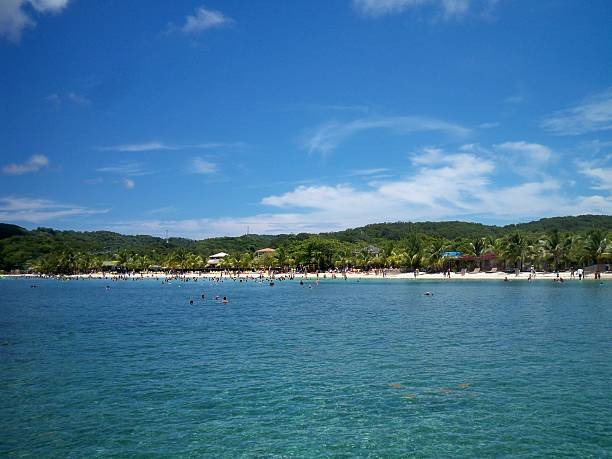
Quick Answer
The best snorkeling in Roatan is directly off West Bay Beach, where the Mesoamerican Barrier Reef begins in just 10 to 20 feet of water. Gibson Bight, the CoCo View Wall area, and the Prince Albert wreck also rank among the island’s best underwater experiences. For non-divers, the reef’s accessibility from shore at West Bay is genuinely world-class and requires no boat or guide to reach.
The Mesoamerican Barrier Reef is the second longest reef system on the planet. It runs from the Yucatan Peninsula south through Belize, along the Guatemalan coast, and ends near the Bay Islands of Honduras, where Roatan sits. The northern and western shores of Roatan sit directly over this reef system, which means snorkeling here isn’t a side activity. It’s the main event.
I’ve snorkeled on reefs in Thailand, Indonesia, and the Maldives. The reef off West Bay Beach genuinely belongs in that conversation. The coral health here is better than many sites I’ve seen in the Indo-Pacific, partly because the Honduran government designated the Bay Islands as a marine reserve in 1978, and enforcement of no-take zones has been reasonably consistent since then.
For guided snorkeling tour recommendations and current conditions at each site, best snorkeling in Roatan has operator reviews, marine life checklists, and advice on what to bring for different site types.
West Bay Beach Reef: Shore Snorkeling Done Right
Walk into the water at West Bay, swim past the buoys, and the reef begins almost immediately. The shallowest section runs about 10 to 25 feet deep. You’ll see staghorn coral, brain coral, and large sea fans. Sergeant majors and parrotfish are constant. Green sea turtles graze on the sea grass between coral heads with a frequency that surprises most visitors.
The Drop-Off Warning
About 150 meters from shore, the reef drops sharply to 60, then 80, then over 100 feet. The visibility is good enough that you can see this happening. It’s not dangerous if you’re a competent swimmer, but the current along the wall is stronger than in the shallows. Stay above the reef crest unless you’re comfortable in open water and know your limits.
Best Time to Snorkel West Bay
Morning is better than afternoon. Water clarity is highest before boat traffic picks up around 10 AM. After 11, water taxis and snorkel tour boats run constantly and kick up sediment near the beach entry point. By afternoon in peak season, visibility in the shallows drops noticeably. Get in by 8 AM if possible.
Gibson Bight: The Turtle Station
Gibson Bight sits between West End and West Bay and is accessible by water taxi or a short walk from either direction. The sea grass beds here are a feeding area for green sea turtles. I counted six turtles on a single morning snorkel here, which was more than I’ve seen in one place at any other Caribbean site. The coral isn’t as dramatic as the West Bay wall, but the turtle density makes it a standout.

Mangrove Lagoon Snorkeling: Something Different
The mangrove systems on Roatan’s sheltered south coast offer a completely different snorkel experience. Water depth stays under eight feet, visibility runs 15 to 25 feet in calm conditions, and the marine life found in mangrove roots is juvenile versions of everything on the reef: small snapper, shrimp, cleaning gobies, and juvenile parrotfish in neon colors. Operators in French Harbour run kayak-and-snorkel tours through these systems.
Cayos Cochinos: Worth the Day Trip
The Cayos Cochinos archipelago, about 17 miles southeast of Roatan, is accessible by private charter or occasional group tour. The reef health here exceeds West Bay’s, partly because access is more restricted and boat traffic is lower. Elkhorn coral formations, which are increasingly rare in the Caribbean due to bleaching events, survive here in good condition. Day trips typically run $80 to $150 per person and include snorkel equipment, lunch, and transfer.
Guided vs. Shore Snorkeling
Shore snorkeling from West Bay Beach is completely free and genuinely excellent. You don’t need a guide to see the reef. But a guided boat snorkel gets you to Gibson Bight, the outer reef sections with less boat traffic, and possibly Cayos Cochinos in a single morning. The choice depends on how much you want to cover and whether you’re comfortable navigating the reef’s edge without someone pointing things out.
Bananarama Dive Resort and Roatan Divers both operate snorkel tours from West Bay Beach. West End-based operators like Native Sons Water Sports run tours to the north shore sites and to the mangrove systems. Expect to pay $35 to $65 per person for a two-site guided morning tour.
Frequently Asked Questions
Do you need a boat to snorkel in Roatan?
No. West Bay Beach offers some of the best shore snorkeling in the Caribbean with zero boat access required. Walk in, swim past the buoys, and the reef is right there. Gibson Bight is also accessible from shore. Boat tours extend your range and get you to outer sites, but they’re not mandatory for an excellent experience.
What marine life will I see snorkeling in Roatan?
Green sea turtles, parrotfish, angelfish, sergeant majors, blue tangs, queen triggerfish, moray eels in coral crevices, and with luck, nurse sharks resting on the sandy bottom. Whale sharks appear seasonally between March and May in the waters south of the island. Hammerheads are occasionally seen at deeper sites but are not a regular snorkeling encounter.
Can beginners snorkel in Roatan?
Yes, very comfortably. The calm water inside the reef on the West Bay side makes it suitable for nervous swimmers and children. The shallows run 10 to 20 feet deep, clear, with no surge or strong current. The entry from the beach is gentle. This is one of the better beginner reef snorkel destinations in the Caribbean.
Is there snorkeling equipment rental in Roatan?
Yes, multiple shops in West End and West Bay rent masks, snorkels, and fins. Prices run around $10 to $15 per day. Wetsuit rentals are available but rarely necessary given water temperatures. The quality of rental equipment varies, so inspect the mask seal before heading to the reef.
What is the water visibility like for snorkeling in Roatan?
Under good conditions, the Mesoamerican Barrier Reef off Roatan has visibility between 60 and 100 feet. Conditions degrade after strong winds or rain, when sediment gets stirred up and runoff reduces clarity near shore. The best visibility is typically on calm mornings during the dry season months of February through April.