Chinwe
For homeowners living in areas prone to hurricanes, high winds, or severe storms, the durability of a roof is crucial. Strengthening your home with a fortified home certification ensures that your roofing system is built or upgraded to withstand extreme weather. This certification not only provides peace of mind but also demonstrates that your home meets rigorous standards for resilience. In this article, we’ll explore what roofing materials qualify as fortified and what makes a roof eligible for certification.
What is Fortified Home Certification?
Fortified home certification is a program developed to improve a home’s resistance to severe weather. The certification focuses on enhancing structural components, with the roof being a primary concern. A fortified roof must meet strict performance requirements, including the ability to resist high winds, heavy rain, and potential debris impact. This program emphasizes both the selection of appropriate materials and their proper installation to ensure maximum protection.
Roofing Materials That Qualify as Fortified
Fortified roofs can be created using a variety of materials, as long as they meet performance standards. Asphalt shingles can qualify if they are rated for high wind resistance, making them suitable for regions where uplift forces from storms are a concern. Metal roof panels, including standing seam designs, are also eligible when tested to withstand extreme wind pressures. Tile roofing, whether concrete or clay, can be used in fortified homes if it meets wind and uplift resistance requirements. Even low-slope or flat roofing systems may qualify if they are designed and installed according to fortified standards.
Additional Roofing Components Required for Certification
The roof cover alone does not determine certification. Underlayment and deck protection play a critical role by minimizing water intrusion in case of damage to the roof surface. This includes full deck sealing and using materials that prevent leaks during extreme weather events. Edge treatments such as starter strips, drip edges, and enhanced fasteners contribute to the roof’s ability to resist wind uplift. In regions where hail is a concern, impact-resistant upgrades for shingles, metal panels, or tiles may be required to meet fortified standards.
Why Material Quality and Installation Matter
Achieving fortified home certification requires both quality materials and precise installation. The certification indicates that a home is stronger and more resilient than typical construction, which can reduce repair costs and even lower insurance premiums in some cases. Only after proper installation and evaluation by a certified professional can a home receive the official designation. This ensures that the materials and techniques used are effective under severe weather conditions.
Conclusion
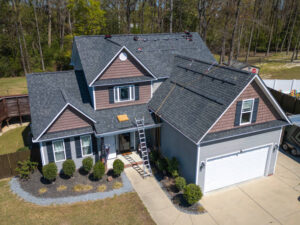
Fortified roofing is more than choosing the strongest materials. It is about building a complete system where each component, from underlayment to roof covering, meets strict performance standards. Asphalt shingles, metal panels, or impact-resistant tiles can all qualify, provided they are installed correctly. By understanding which materials qualify and following fortified guidelines, homeowners can secure certification and significantly enhance their home’s ability to withstand severe weather, protecting both property and peace of mind.