Chinwe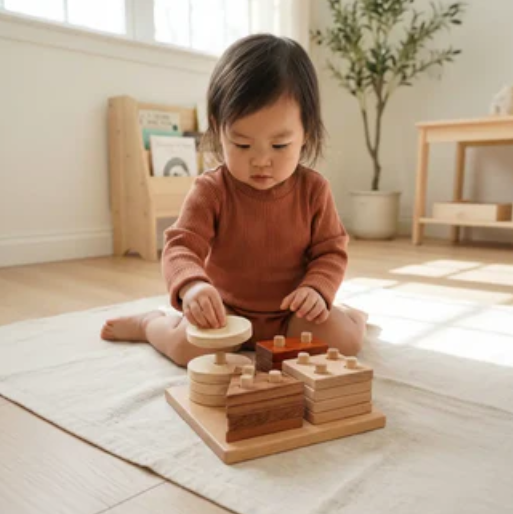
In a world overflowing with plastic gadgets and digital distractions, parents and caregivers are increasingly searching for meaningful alternatives that spark creativity and connection. One such option for making a quiet yet powerful comeback is Wooden toys. These simple, beautifully crafted playthings are more than just nostalgic relics; they are tools that nurture imagination, support development, and bring warmth back into playtime.
Unlike flashy, battery powered toys, wooden pieces encourage children to slow down and engage deeply. They invite open-ended play, allowing kids to build, explore, and invent their own stories. This blog explores why these classic treasures continue to captivate modern families and how they can enrich your child’s growth.
Why Wooden toys Are Making a Comeback
The renewed popularity of wooden toys is not just a trend it’s a shift in mindset. Parents today are more mindful of sustainability, safety, and the developmental value of the products they bring into their homes.
Wooden toys are typically made from natural materials, making them ecofriendly and durable. Unlike plastic toys that often break easily, wooden ones can last for generations. Their sturdy design ensures they withstand rough play while maintaining their charm.
Another reason for their resurgence is their simplicity. Without overwhelming lights and sounds, children are encouraged to use their imagination. A wooden block can become a castle, a car, or even a spaceship depending on the child’s creativity.
Benefits of Choosing Wooden toys for Child Development
Encouraging Creativity and Focus with Wooden toys
One of the most significant advantages of wooden toys is their ability to foster creativity. Because they are not overly structured, children must think independently and invent their own ways of playing. This kind of unstructured play is essential for cognitive development.
Additionally, wooden toys help improve concentration. Without electronic distractions, children tend to stay engaged for longer periods. This focused play strengthens problem solving skills and enhances patience qualities that are valuable throughout life.
Supporting Physical and Emotional Growth
Wooden toys also contribute to physical development. Activities like stacking blocks, fitting puzzles, or pulling wooden carts improve fine motor skills and hand eye coordination.
Emotionally, these toys provide a calming experience. Their natural texture and weight create a sensory connection that plastic toys often lack. Children feel more grounded and relaxed during play, which can reduce overstimulation and promote a sense of wellbeing.
Choosing the Right Wooden Toys
Selecting the right wooden toys can make a big difference in your child’s experience. Here are a few things to consider:
- Look for toys made from sustainably sourced wood with nontoxic finishes
- Choose age-appropriate designs that match your child’s developmental stage
- opt for open-ended toys like blocks, puzzles, and figurines for maximum creativity
When chosen thoughtfully, these toys can grow with your child and remain relevant for years.
A Sustainable Choice for the Future
Beyond their developmental benefits, wooden toys are a responsible choice for the planet. Many manufacturers now focus on ethical production and environmentally friendly practices. By choosing wooden toys, you are reducing plastic waste and supporting a more sustainable future.
These toys also carry a timeless aesthetic that fits beautifully into any home. Their natural look and feel make them appeal to adults as they are to children.
Conclusion
In an age dominated by technology, returning to simpler forms of play can have a profound impact on a child’s development. Wooden toys offer a perfect balance of creativity, durability, and sustainability. They encourage children to think, explore, and grow in ways that modern toys often overlook.
By incorporating wooden toys into your child’s playtime, you’re not just giving them something to play with you’re giving them an opportunity to imagine, learn, and connect with the world around them. And sometimes, the simplest toys create the most meaningful memories.