Chinwe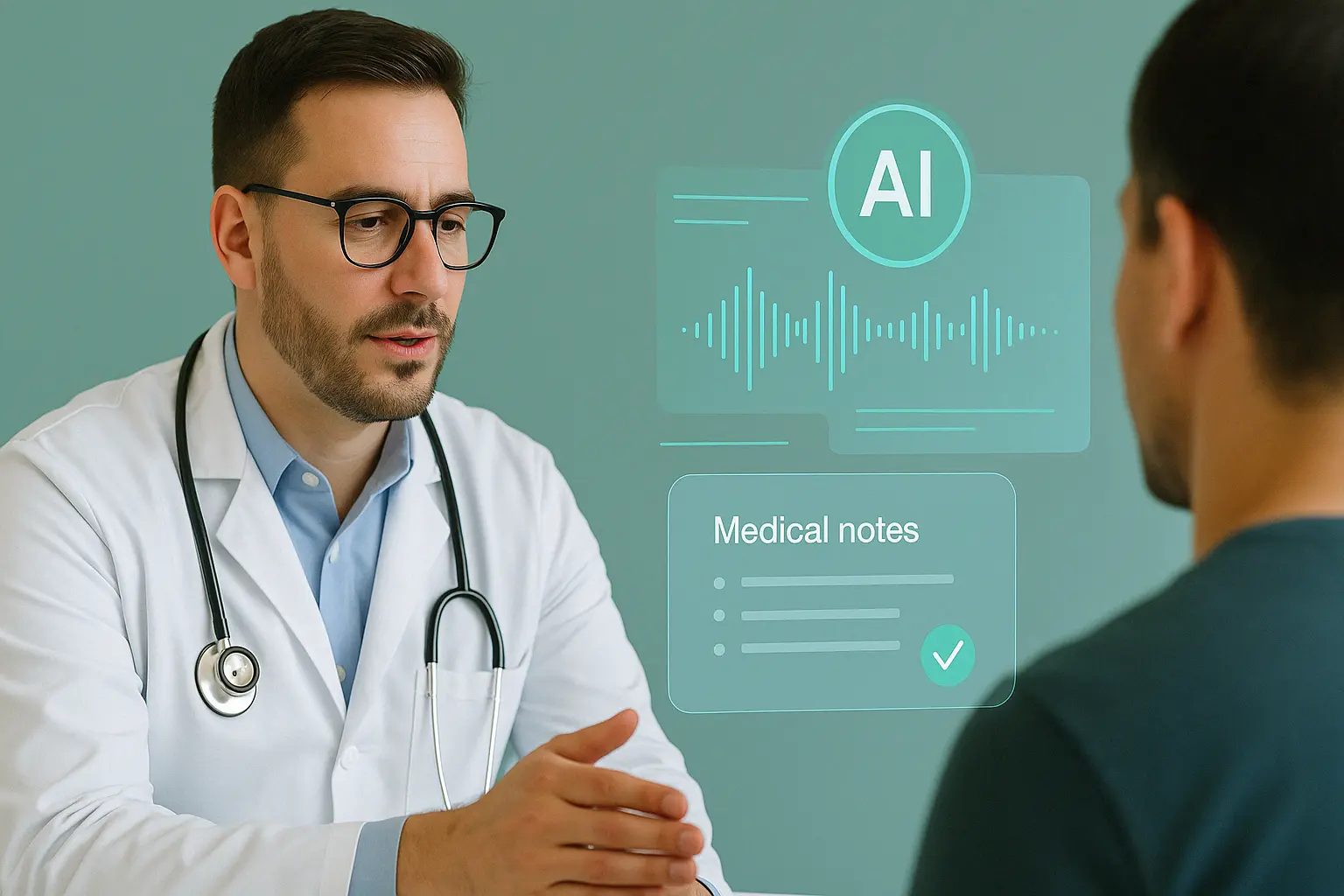
Healthcare professionals today are under constant pressure—not just to provide exceptional patient care, but also to keep up with extensive documentation. Long hours spent typing notes, updating records, and managing administrative tasks often take away from valuable patient interaction. This is where modern technology is stepping in to create meaningful change. Among these innovations, the AI medical scribe is transforming how clinicians work, helping them reclaim time and improve overall efficiency.
How the AI medical scribe is Redefining Healthcare Workflows
The AI medical scribe is more than just a digital assistant—it’s a powerful tool that listens, understands, and documents clinical conversations in real time. By leveraging advanced natural language processing, it converts doctor-patient interactions into structured medical notes without interrupting the flow of care.
Instead of manually typing after each consultation, healthcare providers can focus entirely on their patients. The result is a smoother, more natural interaction that benefits both parties. Doctors feel less burdened, and patients feel more heard.
This technology integrates seamlessly into existing healthcare systems, ensuring that documentation remains accurate, consistent, and compliant with medical standards. It reduces burnout, minimizes errors, and significantly improves productivity across clinics and hospitals.
Benefits That Go Beyond Documentation
While documentation is the primary function, the impact of AI-driven scribes extends far beyond note-taking. These tools are reshaping the healthcare experience in subtle yet powerful ways.
Here are some of the key advantages:
- Improved patient engagement due to reduced screen time
- Faster documentation turnaround and reduced backlog
- Enhanced accuracy with fewer manual errors
- Better work-life balance for healthcare professionals
With less time spent on administrative tasks, clinicians can dedicate more energy to diagnosis, treatment, and building trust with patients. This shift ultimately leads to higher quality care and improved patient outcomes.
Why Every Clinic Needs an AI medical scribe Today
The healthcare landscape is evolving rapidly, and clinics that adapt to new technologies are better positioned to thrive. Implementing and AI medical scribe is no longer a luxury—it’s becoming a necessity.
Smaller practices, in particular, benefit greatly from this innovation. Without the resources to hire full-time human scribes, AI offers a cost-effective alternative that delivers consistent performance. It levels the playing field, allowing independent clinics to operate with the same efficiency as larger healthcare systems.
Moreover, as patient expectations continue to rise, the demand for quicker, more personalized care is increasing. AI-powered solutions help meet these expectations without compromising quality or increasing workload.

Challenges and Considerations
Despite its many advantages, adopting AI in healthcare requires careful planning. Data privacy, system integration, and user training are critical factors that must be addressed. Healthcare providers must ensure that the technology complies with regulations and maintains patient confidentiality.
There may also be a learning curve when transitioning from traditional documentation methods. However, most systems are designed with user-friendly interfaces, making the adoption process smoother than expected.
The key is to view AI not as a replacement for human expertise, but as a supportive partner that enhances efficiency and accuracy.
Conclusion
The rise of the AI medical scribe marks a significant turning point in healthcare. By reducing administrative burdens and improving workflow efficiency, it empowers clinicians to focus on what truly matters—patient care.
As technology continues to evolve, embracing intelligent solutions will become essential for sustainable growth in the medical field. The future is not about replacing human touch but enhancing it with smarter tools. And with AI by their side, healthcare professionals can deliver more compassionate, efficient, and effective care than ever before.